


 |
 |
 |
 |
 |
 |
 |
 |
 |
 |
 |
 |
 |
 |
 |

Calling our better selves
|
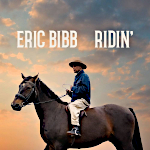
This review first appeared in Living Blues in May / June 2023.
On "Ridin," Bibb and his acoustic guitar are joined by guests ranging from straight-ahead jazz guitarist Russell Malone to kindred spirits Taj Mahal and Jontavious Willis, French blues guitarist and singer Amar Sundy to Malian singer Habib Koité, soul veteran Harrison Kennedy to his own Eric Bibb String Band.
Despite the disparate lineups and stylistic range ("People You Love" drips old Nashville country, like something off a Clint Eastwood soundtrack), Bibb's compositions, arrangements and, most of all, lyrics, coalesce to make this release a cohesive whole.
The title track makes clear that this outing is a paean to the Civil Rights Movement, and a call to recapture that commitment to full equality.
If the album as a whole is often lyrically stark in its assessment of racism in the United States, the opening track, "Family" (a funk-infused bit of soul-blues) delivers a message asking all of us to lower the tenor of our public discord:
Let's open our eyes, call a spade a spade
Someone makin' money by keeping us afraid
Afraid of each other
Back in time we might have been
Brothers from a different mother
They called it a sin
Malone joins Bibb for a jazz-blues tale of John Howard Griffin, the author of "Black Like Me" – a book largely forgotten today, but highly influential when it came out. Bibb and Malone do a nice job of making his story highly listenable, and their interplay of acoustic and electric guitars, blues and jazz, is surprisingly organic.
"Tulsa Town" is a look back at the white riots against a successful black business district in 1921, while "Call Me By My Name" (on which he duets with Harrison Kennedy, former singer with R&B hitmakers Chairmen of the Board) is as much a call to authentic black patriotism as The Impressions' "This Is My Country."
"Joybells" is a slow, Piedmont-flavored number that recounts the victims of lynching, punctuated by Bibb's slow, tasteful picking. "Blues Funky Like Dat" features Mahal and Willis on another slow blues, this one about a preacher's son who likes his Friday night blues. And on "Free," a slowly strummed folk blues, Koité not only takes a verse in the Bambara language, but introduces West African motifs to the instrumental backing as well, which lasts into the final couple verses where the two men trade vocal passages.
The album closes out with a tremendous couple of songs, beginning with the country number "People You Love" about the heartache of having to let go of those who pass on before us, but finding comfort in knowing they're still with us in spirit. The final cut, "Church Bells," is a lovely instrumental piece that contains broad streaks of Celtic influences, particularly on the fiddle part.
This is a passionate yet thoughtful album from Bibb. Righteously angry at times, it always rises above rancor with lyrics that are idealistic rather than judgmental. And his ability to bring Celtic, country, African, jazz and pop influences to his acoustic blues remains impressive in its utter seamlessness.